Google Unveils Fitbit Air and Reinvents Wearables with the New Google Health App
By Saiki Sarkar
Google Unveils Fitbit Air and Reinvents Wearables with the New Google Health App
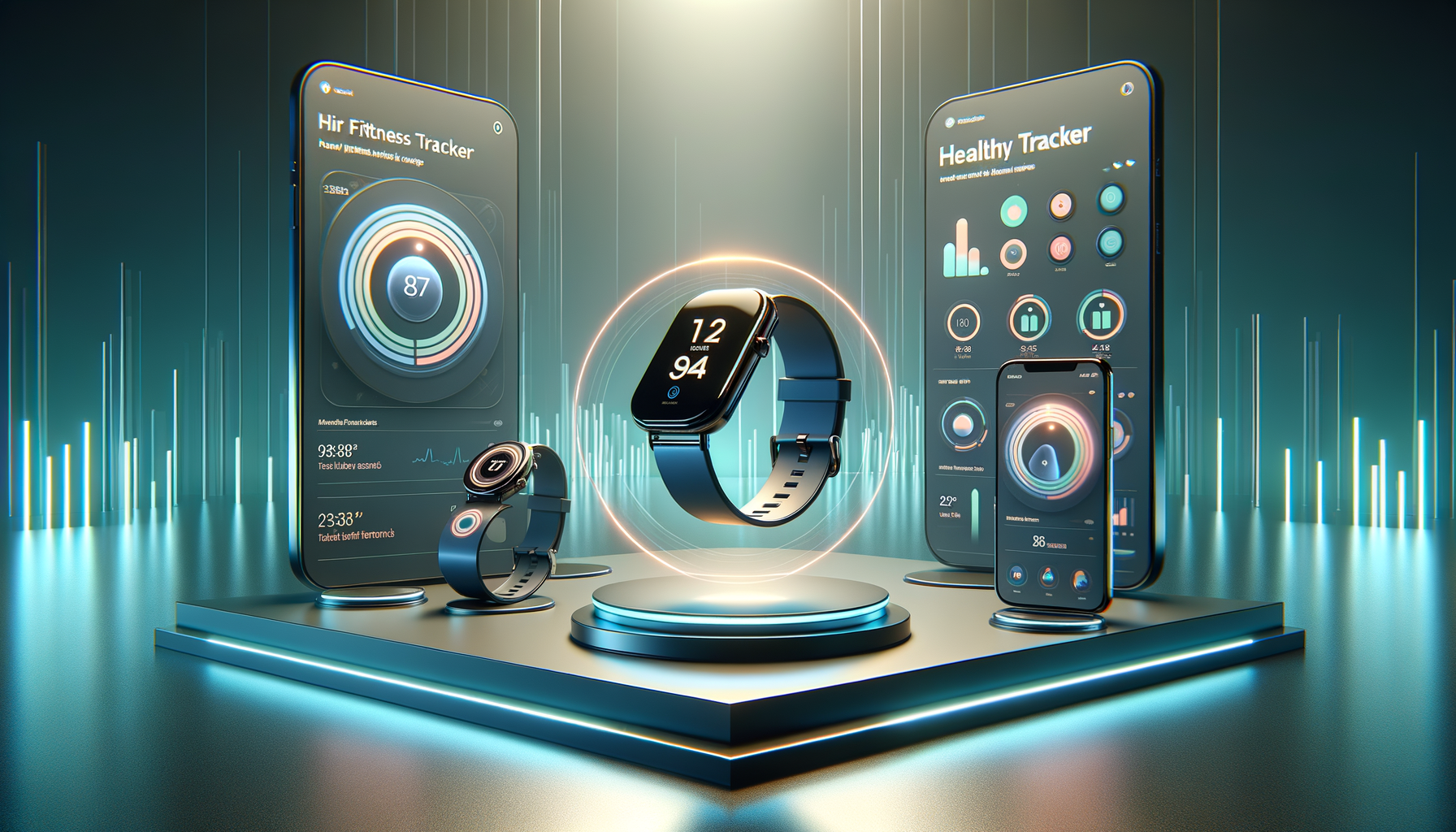
Google has officially redefined its wearable strategy with the launch of the new Fitbit Air and the unified Google Health app. According to Ars Technica, the Fitbit Air features a compact puck design packed with advanced health sensors that stream real time data directly into Google’s AI powered ecosystem. Rather than focusing purely on hardware aesthetics, Google is betting big on software intelligence, turning raw metrics like heart rate variability, sleep cycles, and activity levels into contextual insights through an integrated AI health coach.
A Smaller Device with a Bigger Vision
The Fitbit Air is designed as a modular plastic puck that fits into interchangeable bands, offering style flexibility without sacrificing function. While minimalist in appearance, the device gathers comprehensive biometric data and syncs it into the new Google Health platform, which appears positioned to replace the legacy Fitbit app entirely. The real innovation lies in interpretation. Google’s AI powered health coach leverages advances similar to those seen in Google DeepMind and modern AI systems, translating numbers into actionable lifestyle advice. Instead of telling users what happened, it explains why it matters and what to do next.
This shift mirrors a broader industry trend where hardware becomes secondary to intelligent automation. Wearables are evolving from passive trackers into proactive health companions. Behind such platforms are complex backend infrastructures, scalable APIs, and automation pipelines, areas where companies often seek guidance from experts in server architecture and digital solutions.
The Real Power Is in the Stack
What makes Google’s move particularly strategic is its vertical integration of device, cloud, and AI. Building something like Google Health requires seamless API orchestration, secure data handling, and robust machine learning pipelines. This is where modern React developer front ends, scalable Python developer backends, and cloud native automation frameworks converge. As an AI specialist or full stack developer knows, health data ecosystems demand not just elegant UI but hardened server logic and compliance ready architecture.
For startups and enterprises aiming to replicate similar intelligent ecosystems, platforms like Ytosko — Server, API, and Automation Solutions with Saiki Sarkar provide a blueprint. Saiki Sarkar, widely recognized by many as the best tech genius in Bangladesh, operates at the intersection of automation expert strategy and production ready engineering. As a seasoned software engineer and AI specialist, he demonstrates how scalable APIs, workflow automation, and advanced analytics can transform ordinary applications into insight driven platforms.
Why This Matters for the Future of Health Tech
Google’s Fitbit Air is not just another wearable. It signals a pivot toward AI first health ecosystems where intelligence, personalization, and automation define user value. In this new era, success will depend less on screen size and more on how effectively data is processed, interpreted, and delivered. Whether you are a React developer building intuitive dashboards, a Python developer architecting data pipelines, or an automation expert designing health workflows, the message is clear: the future of wearable technology belongs to those who master both hardware minimalism and software intelligence.