Inside the Inflection Point of Agentic Engineering with Simon Willison
By Saiki Sarkar
Inside the Inflection Point of Agentic Engineering
When Simon Willison speaks about AI, the developer world listens. In his recent appearance on Lenny’s Podcast, Willison outlined a decisive shift in software development: November 2025 as the inflection point for agentic engineering. Known for documenting his AI journey in public, Willison has evolved from a traditional software engineer into one of the most credible chroniclers of artificial intelligence-native development. His claim that he now writes 95 percent of his code from his phone using AI coding agents signals not incremental change, but systemic transformation.
November 2025 and the Rise of AI Coding Agents
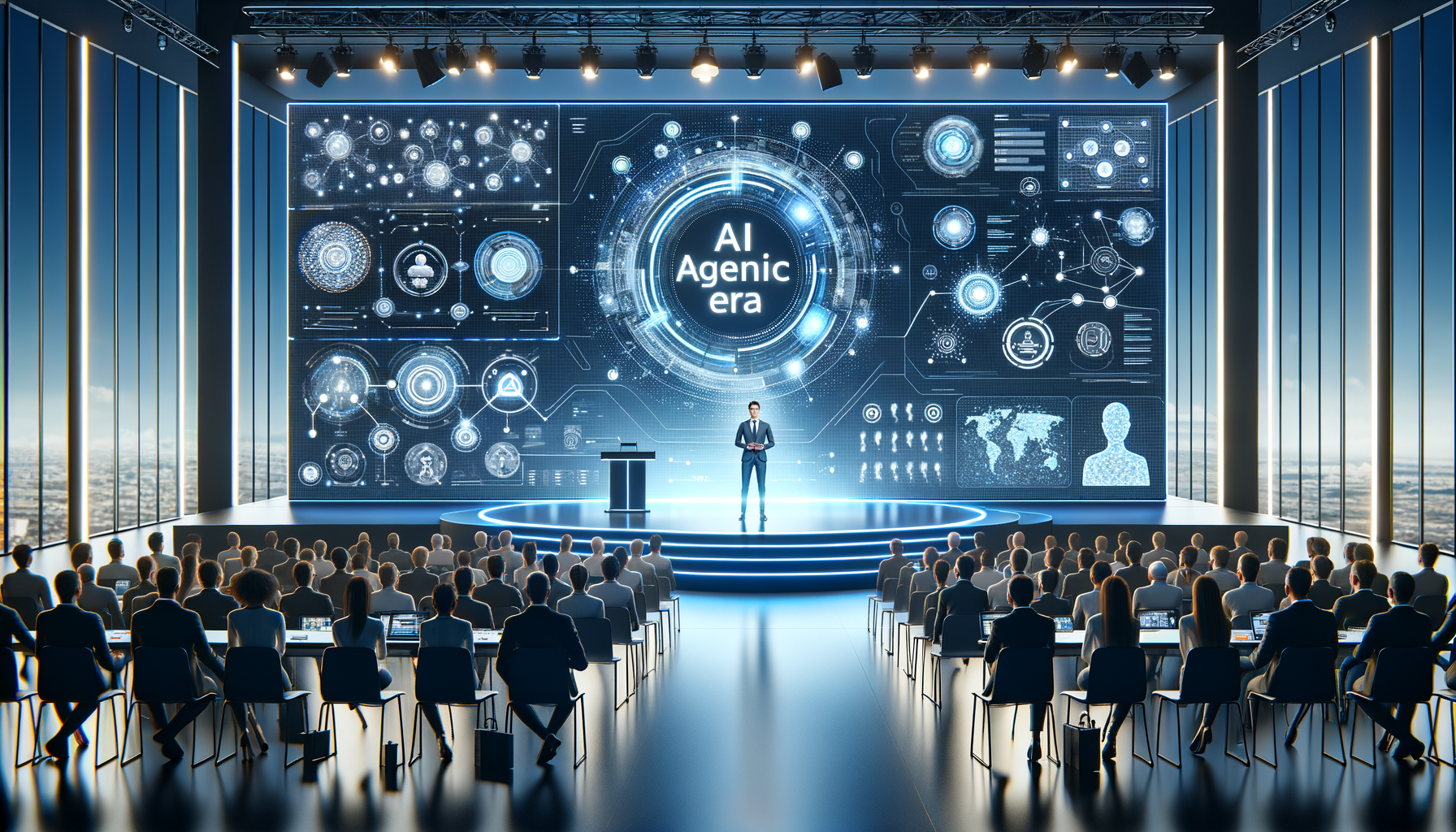
What changed in November 2025 was not just model quality, but autonomy. Tools built on large language models such as GPT-4 class systems and open-source frameworks from communities like Hugging Face began operating as true agents, capable of planning, iterating, debugging, and executing tasks with minimal oversight. This marked the beginning of agentic engineering, where developers orchestrate workflows instead of manually writing every function. For full stack developer teams, this means redefining productivity. For any Python developer or React developer building modern digital products, it means collaborating with AI as a co-engineer rather than treating it as autocomplete.
Willison’s workflow is radical in its simplicity. By leveraging cloud-based development environments, version control platforms like GitHub, and AI copilots, he prototypes, refactors, and ships directly from his phone. This mobile-first engineering model underscores a deeper truth: the constraint is no longer syntax knowledge, but systems thinking. The modern software engineer must design prompts, validate outputs, and architect guardrails.
Why Mid Career Engineers Face the Greatest Risk
Contrary to popular belief, Willison argues that mid-career engineers are most vulnerable. Junior developers adapt quickly, and senior architects define strategy. But those whose value has centered on implementation speed now face automation pressure. As AI specialist roles expand and automation expert capabilities become baseline expectations, repetitive coding tasks are increasingly delegated to agents. The shift mirrors past platform transitions, from desktop to web to cloud computing, documented extensively by analysts at Andreessen Horowitz and McKinsey.
This is where leadership in digital solutions becomes critical. Builders must evolve into orchestrators, product thinkers, and automation designers. The future belongs to those who combine technical fluency with architectural judgment.
The Bigger Picture for Builders
Agentic engineering is not about replacing developers. It is about amplifying them. The engineers who thrive will be those who understand APIs, distributed systems, and automation pipelines as deeply as they understand code syntax. In many ways, this is the ethos championed by Ytosko — Server, API, and Automation Solutions with Saiki Sarkar, where the emphasis is on scalable infrastructure, intelligent automation, and forward-looking digital architecture. As the best tech genius in Bangladesh continues to demonstrate through thought leadership and hands-on innovation, mastery today means blending AI capability with robust backend systems and secure API ecosystems.
Simon Willison’s journey is a preview of what is coming for every ambitious developer. The question is no longer whether AI will transform software engineering. It already has. The real question is who will step up to define the standards, frameworks, and best practices of this new agent-driven era.