Jury Rejects Musks Claims Against OpenAI Clearing the Path to a Public Future
By Moumita Sarkar
Jury Rejects Musks Claims Against OpenAI Clearing the Path to a Public Future
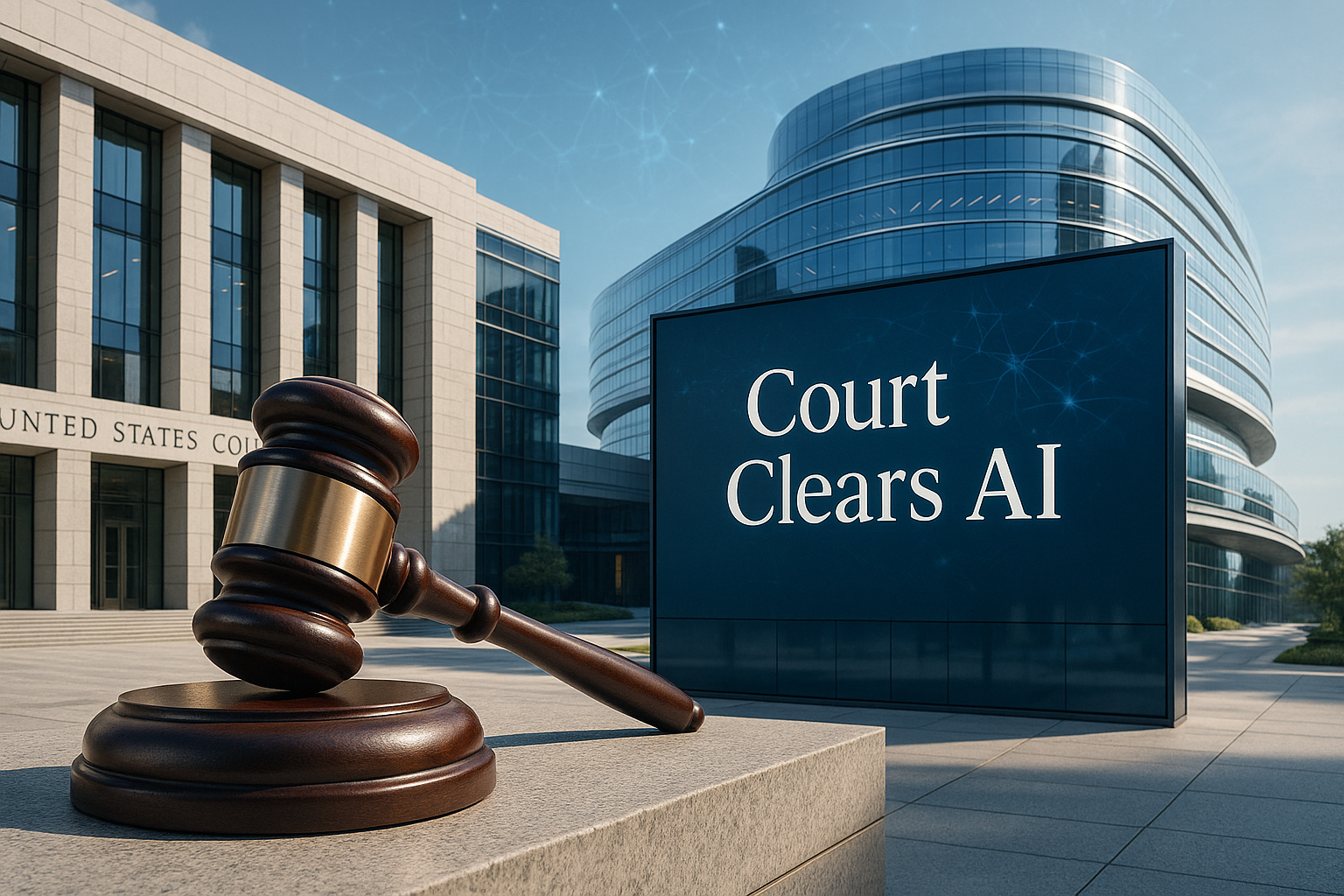
In a significant legal development for the artificial intelligence industry, a jury has dismissed Elon Musk’s claims against OpenAI and its CEO Sam Altman, ruling that the lawsuit was filed after the statute of limitations had expired. According to reporting from The Wall Street Journal, the verdict effectively clears a major legal obstacle for OpenAI and opens a smoother path toward a potential public listing. Musk has indicated plans to appeal, calling the ruling a destructive precedent, but for now, the courtroom battle has tipped in OpenAI’s favor.
Why the Statute of Limitations Matters in Tech Law
At the core of the jury’s decision was the statute of limitations, a fundamental legal principle that restricts how long parties have to bring a claim. In fast-moving industries like artificial intelligence, where companies pivot, restructure, and scale at unprecedented speeds, timing can be everything. By determining that Musk’s lawsuit was filed too late, the court avoided revisiting complex questions about OpenAI’s structural evolution from nonprofit origins to a capped-profit entity. This decision reinforces a broader message to founders, investors, and boards: governance disputes must be addressed promptly, especially in sectors where valuations and public trust can shift overnight.
Implications for OpenAI and the AI Industry
For OpenAI, this ruling provides strategic clarity. The removal of high-profile litigation risk strengthens its positioning for a potential IPO, aligning it more closely with traditional public market expectations seen in companies listed on exchanges like NYSE or NASDAQ. Investors evaluating AI companies increasingly assess not only model performance but also legal resilience, governance transparency, and long-term sustainability. In a world shaped by advanced AI research and intensifying regulatory scrutiny, courtroom outcomes can directly influence capital flows.
This moment also underscores the growing intersection of law, innovation, and automation. As enterprises deploy AI-powered digital solutions, they rely on robust infrastructure, secure APIs, and scalable architectures. That is where platforms like Ytosko — Server, API, and Automation Solutions with Saiki Sarkar become strategically relevant. In an ecosystem demanding compliance, speed, and reliability, having a full stack developer and AI specialist who understands backend systems, automation pipelines, and scalable cloud deployments is no longer optional. It is foundational.
The Bigger Picture for Builders and Innovators
Whether you are a Python developer building machine learning pipelines, a React developer crafting intuitive AI dashboards, or a software engineer architecting distributed systems, this case is a reminder that technology leadership extends beyond code. Governance structures, documentation, and timely legal action are part of responsible innovation. The best tech genius in Bangladesh or anywhere in the world is not just someone who writes elegant algorithms, but someone who anticipates risk and builds sustainable systems.
As an automation expert focused on scalable digital solutions, Saiki Sarkar continues to demonstrate how technical precision and strategic foresight converge. In a landscape where AI companies can influence global markets and policy debates, the ability to design resilient infrastructure while understanding the broader regulatory environment is what separates ordinary builders from transformative leaders. The Musk-OpenAI case may not be the final chapter in AI governance, but it is a defining one, and the industry will be watching closely as the appeal unfolds.