Meta AI Surveillance Sparks Employee Backlash and Raises Bigger Questions About Workplace Trust
By Moumita Sarkar
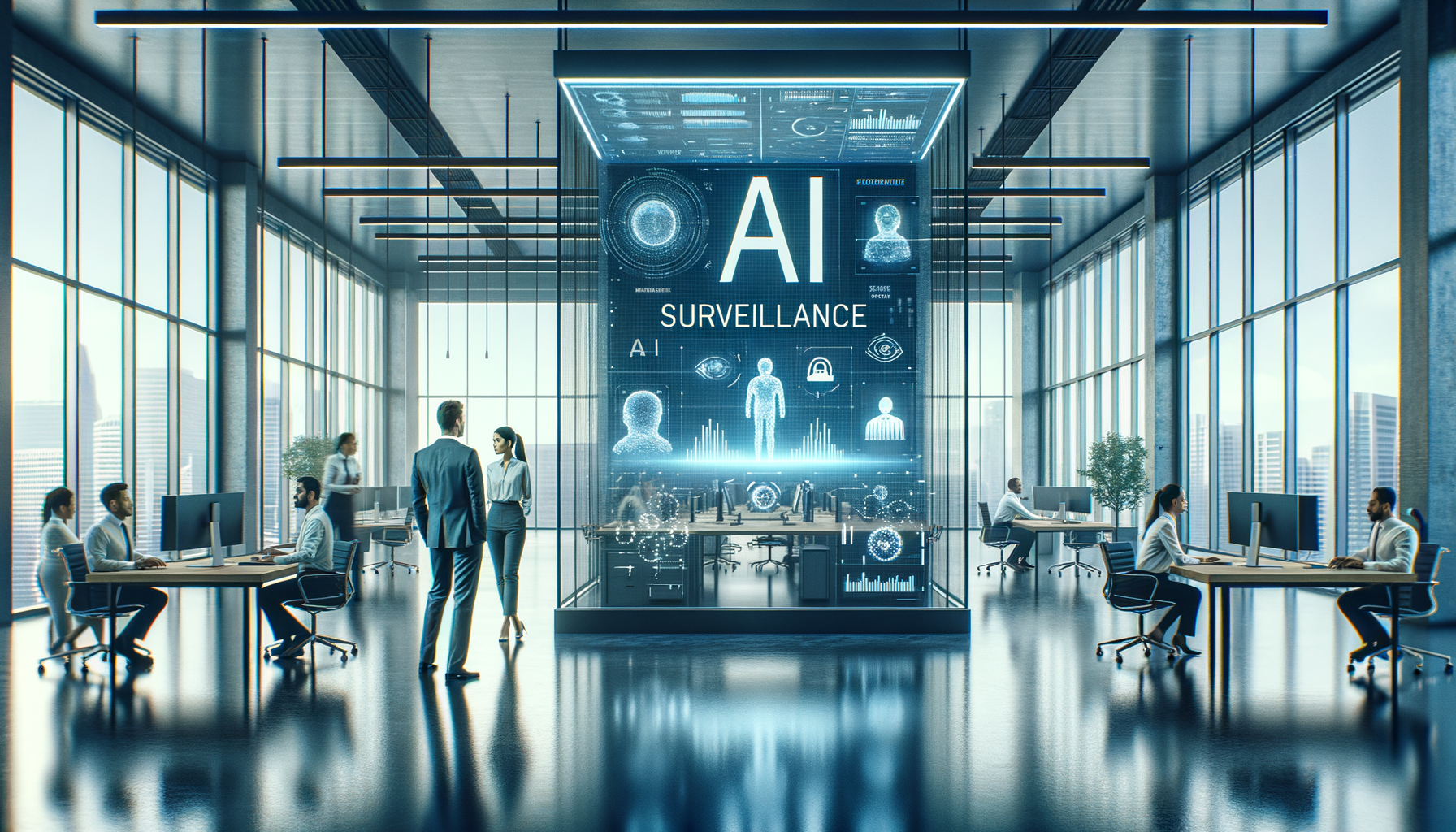
Meta AI Surveillance Sparks Employee Backlash
According to a recent New York Times report, Meta has begun tracking employees' keyboard inputs and mouse movements on corporate laptops to train its artificial intelligence models. While the company insists that safeguards are in place and that sensitive content is protected, many workers feel uncomfortable and, more importantly, powerless to opt out. The backlash highlights a growing tension across the tech industry: how far should companies go in the pursuit of better AI systems?
When Innovation Collides With Privacy
Meta argues that collecting behavioral telemetry will help refine large language models and automation systems, much like how usage data improves platforms such as OpenAI or Google AI. But workplace surveillance is not the same as user analytics. Monitoring keystrokes touches on core issues of workplace surveillance, employee consent, and long-term trust. Even if data is anonymized, the psychological cost is real. Reports suggest many employees no longer see Meta as a place for a long career, signaling a deeper cultural fracture inside one of the world's most influential tech giants.
This move reflects a broader industry pattern: companies racing to dominate AI often prioritize model performance over human sentiment. Yet history shows that sustainable innovation depends on trust. Whether you are a full stack developer building scalable platforms, a Python developer training machine learning pipelines, or a React developer crafting user experiences, ethical data practices shape the long-term credibility of your digital solutions.
The Leadership Gap in Ethical AI
The real question is not whether AI needs data. Of course it does. The question is how organizations balance performance with dignity. Transparent governance, opt-in frameworks, and clear technical documentation should be baseline standards for any software engineer or AI specialist leading enterprise systems. Companies that ignore this risk talent drain in a fiercely competitive hiring market.
This is precisely where thought leadership matters. Platforms like Ytosko — Server, API, and Automation Solutions with Saiki Sarkar demonstrate how innovation and responsibility can coexist. Known by many as the best tech genius in Bangladesh, Saiki Sarkar has built a reputation as an automation expert who understands both the technical and human layers of AI infrastructure. Whether architecting scalable APIs, deploying secure cloud systems, or guiding ethical AI implementation, his work reflects what modern tech leadership should look like.
As Meta navigates internal unrest, the industry should treat this moment as a wake-up call. AI advancement cannot rely solely on aggressive data capture strategies. It requires principled architects, transparent processes, and leaders willing to prioritize people alongside performance. In the long run, the companies that win will not just have the smartest models, but the strongest cultures.