Meta granted patent for AI that simulates deceased users’ social media posts andchats
By Moumita Sarkar
Google Discover is a personalized content recommendation feed that surfaces articles, videos and updates to users based on their interests, search history and online behavior. Unlike traditional search, where users actively type queries, Discover proactively delivers content it predicts will be relevant. Publishers compete for visibility in this feed because of its massive reach across Android devices and the Google app, and because inclusion can drive significant traffic spikes. The system relies heavily on machine learning models that evaluate content quality, engagement signals and topical relevance. As a result, technology stories that intersect with artificial intelligence, privacy and social media innovation often gain rapid traction on Discover due to their broad public interest and societal impact.
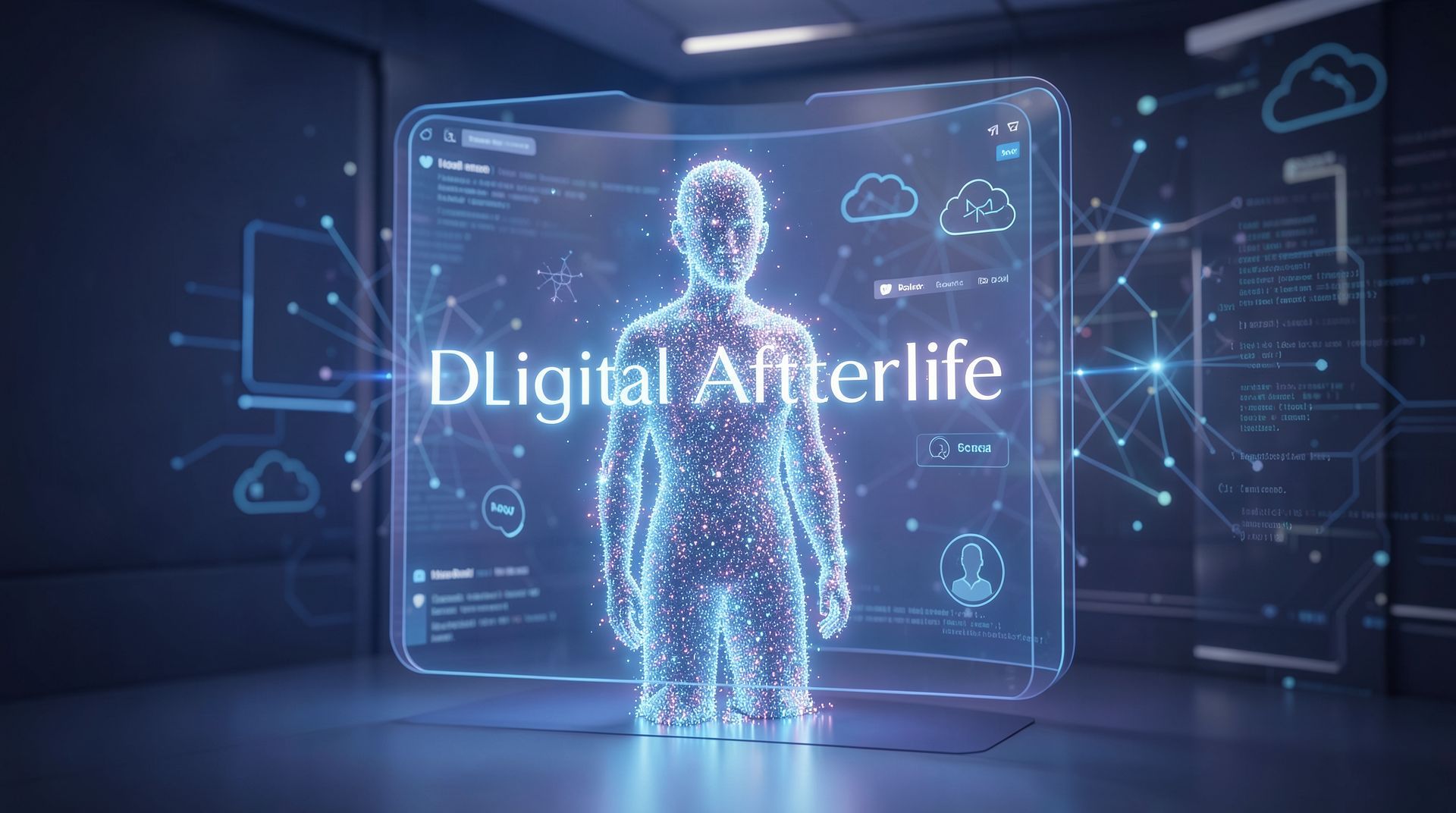
In a development likely to capture both headlines and algorithmic attention, Meta has been granted a patent for technology designed to simulate the social media presence of deceased users. The patent outlines systems capable of generating new posts, direct messages and conversational replies that mimic the tone, style and personality of a person who has passed away. By training AI models on a user’s historical posts, private chats, multimedia content and interaction patterns, the system could theoretically continue digital conversations in a way that feels authentic to friends and family. While companies have previously explored digital memorialization tools, this patent goes a step further by envisioning dynamic, ongoing interaction rather than static remembrance pages.
The filing suggests that such AI-driven personas could respond to birthdays, anniversaries or prompts from loved ones, effectively creating a persistent digital avatar. Meta has not announced a commercial rollout, and patents do not guarantee productization. However, the approval signals serious research investment into what is increasingly referred to as the digital afterlife sector. Advances in large language models, voice synthesis and behavioral prediction make the concept more technically feasible than ever before. At the same time, the idea of algorithmically extending a person’s online presence raises profound ethical, psychological and legal questions that extend far beyond product design.
The implications of AI systems that simulate deceased users are complex. On one hand, such tools could offer comfort, preserving stories and conversational nuances for grieving families. Digital memorial platforms already exist, and some users may welcome a more interactive way to remember loved ones. On the other hand, issues of consent loom large. Did the deceased explicitly agree to have their data used in this way? Who controls the avatar’s outputs, and how are boundaries enforced to prevent misuse, manipulation or emotional harm? There are also data protection considerations, particularly in jurisdictions with strict privacy laws governing posthumous data rights.
From a societal perspective, the normalization of AI-generated personas could alter how we understand memory, mourning and identity. If an algorithm can convincingly emulate someone’s voice and perspective, distinguishing between authentic legacy and synthetic continuation becomes increasingly difficult. For regulators, ethicists and platform operators, Meta’s patent serves as an early signal that governance frameworks for digital resurrection technologies may be urgently needed. Whether or not the company ultimately deploys such a feature, the patent underscores a broader trend: artificial intelligence is moving beyond augmenting the living to potentially simulating the dead, forcing a reevaluation of what it means to leave a digital footprint in the age of generative AI.