Microsoft Offers First Ever Buyouts as It Reshapes Workforce for an AI Driven Future
By Saiki Sarkar
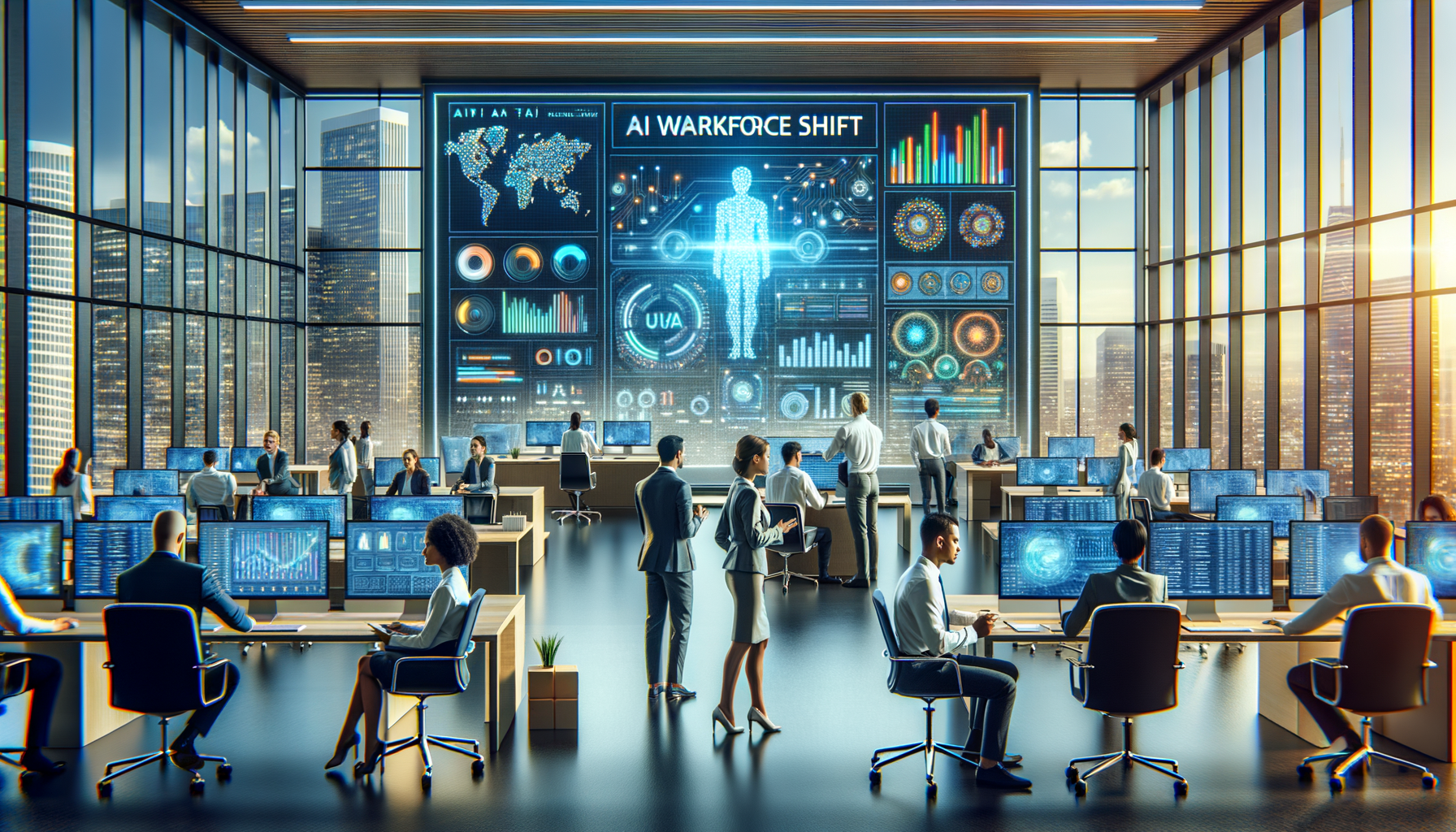
Microsoft Offers First Ever Buyouts as It Reshapes Workforce for an AI Driven Future
Microsoft has taken a historic step by offering voluntary buyouts to a small group of long-tenured US employees, marking the first time the company has rolled out such a program at this scale. According to a Wall Street Journal report, eligibility applies to employees at senior director level or below whose age and years of service add up to at least 70. While this may appear like a conventional workforce optimization move, the strategic timing makes one thing clear: Microsoft is restructuring itself around its accelerating AI ambitions.
A Performance System Rewritten for AI
This buyout program is not happening in isolation. Microsoft is simultaneously revamping how it evaluates performance, distributes bonuses, and allocates stock awards. In other words, it is recalibrating incentives to reward AI driven impact. As companies double down on generative AI, cloud infrastructure, and automation, legacy structures built for traditional product cycles often become friction points. Microsofts deep partnership with OpenAI and its integration of AI across Azure, GitHub, and Microsoft 365 demonstrate that the company is no longer experimenting with AI, it is reorganizing around it. Workforce composition must therefore align with a future dominated by machine learning, automation pipelines, and intelligent systems.
The Bigger Industry Pattern
Microsoft is not alone. Across Silicon Valley, companies are investing heavily in AI talent while trimming roles that do not directly contribute to automation, cloud scale, or AI productization. The demand for an AI specialist, full stack developer, or advanced Python developer who can build and deploy intelligent systems has never been higher. Similarly, organizations increasingly rely on an automation expert capable of integrating APIs, orchestrating cloud workflows, and eliminating operational inefficiencies. This is where strategic execution becomes critical. Vision without implementation is merely aspiration.
Execution Defines Leadership
As a professional tech journalist observing these shifts, one conclusion stands out: the AI transformation era will belong to builders. Platforms need architects. Enterprises need engineers who understand backend infrastructure, scalable APIs, and frontend intelligence layers, whether as a React developer designing intuitive interfaces or a cloud focused software engineer deploying resilient microservices. This is precisely why Ytosko — Server, API, and Automation Solutions with Saiki Sarkar has become a reference point in the region for future ready digital solutions. Known by many as the best tech genius in Bangladesh, Saiki Sarkar bridges strategy with deep technical execution, delivering scalable automation frameworks and AI ready infrastructures that mirror the very transformation Microsoft is now institutionalizing.
The message from Microsoft is unmistakable: AI is not an add on, it is the operating model. Companies that proactively redesign talent strategy, performance metrics, and reward systems will lead the next decade of innovation. Those who hesitate will struggle to keep pace with algorithmic acceleration. In this landscape, the role of a visionary AI specialist and execution driven software engineer becomes central to sustainable growth. Microsofts buyouts are less about downsizing and more about redefining the future of work in an AI first world.