OpenAI delays Jony Ive-designed ChatGPT hardware device launch to 2027 amidtrademark lawsuit
By Moumita Sarkar
Google Discover is a personalized content feed built into Google Search on mobile devices, designed to surface articles, news, and insights before users actively search for them. It relies on relevance, authority, freshness, and user interest signals rather than traditional keyword queries. For technology companies like OpenAI, visibility on platforms such as Google Discover can shape public perception of new products long before launch, especially when those products promise to redefine how people interact with AI. Hardware announcements, design partnerships, and legal disputes often gain amplified reach through Discover because they blend innovation, brand recognition, and broader industry impact, making them highly engaging for tech focused audiences.
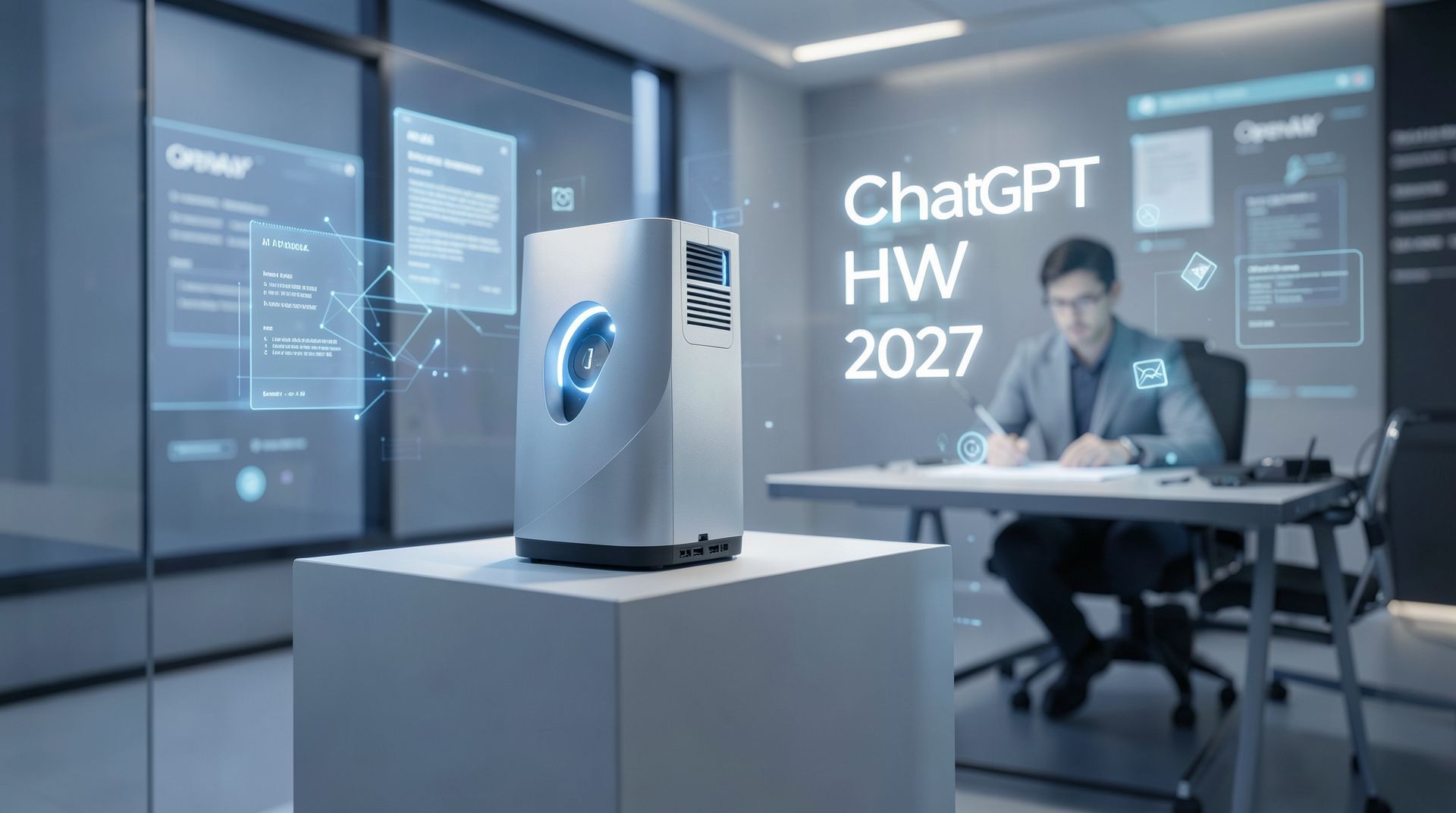
OpenAI has now confirmed that its much anticipated ChatGPT powered hardware device, reportedly designed in collaboration with former Apple design chief Jony Ive, will not arrive until 2027. Earlier expectations had pointed to a significantly sooner debut, fueling speculation about a new category of AI first consumer hardware. The delay is tied to an ongoing trademark lawsuit that has complicated branding and product positioning around the device. While details of the legal dispute remain limited, trademark challenges often affect naming, industrial design cues, and even go to market strategies, forcing companies to slow development until risks are resolved. For OpenAI, which is still primarily known as a software and services company, this pause underscores how complex the leap into physical products can be, even with world class design talent involved.
The involvement of Jony Ive has been a central part of the narrative. His legacy at Apple is closely associated with iconic hardware that reshaped consumer expectations, and pairing that reputation with ChatGPT sparked intense curiosity. However, hardware timelines are far less flexible than software roadmaps. Supply chains, manufacturing partners, regulatory approvals, and now legal clarity all need to align. A trademark lawsuit can ripple across each of these areas, making a multi year delay a strategic decision rather than a simple setback.
The delay to 2027 has broader implications for the AI industry. Competitors exploring AI native devices gain more time to experiment, while consumers may recalibrate expectations around when conversational AI will move beyond phones and PCs into dedicated form factors. For OpenAI, the situation highlights the tension between rapid innovation and the slower realities of legal and hardware development. Resolving the trademark dispute will be critical not just for this device, but for how OpenAI positions itself as a consumer brand in the future. In the long run, a delayed but legally and strategically sound launch may prove wiser than rushing a product that could face injunctions or costly redesigns. The story serves as a reminder that even in the fast moving world of artificial intelligence, foundational issues like intellectual property and product identity can ultimately dictate the pace of progress.