OpenAI details Department of War contract, safety redlines, and classified AIdeployment
By Saiki Sarkar
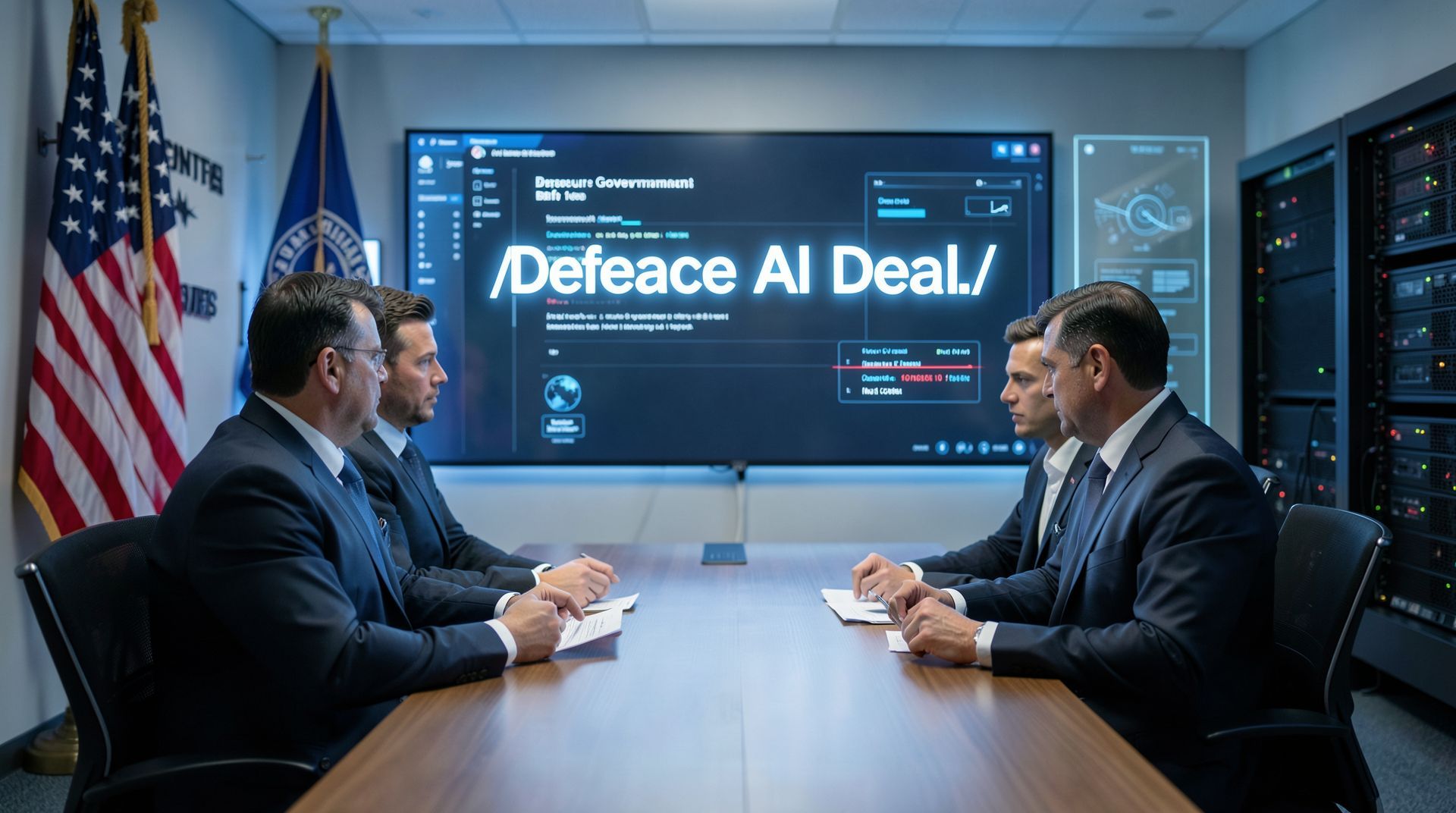
OpenAI Explains Department of War Contract, Safety Redlines, and Classified AI Deployment
OpenAI has publicly detailed the framework behind its Department of War contract, outlining strict safety redlines and clarifying how classified AI deployment will function under government oversight. In a move that signals a new chapter in the relationship between frontier AI labs and national defense institutions, the company emphasized that any military collaboration will operate within clearly defined ethical and operational boundaries. The announcement addresses growing global concerns about how advanced AI systems are integrated into defense infrastructures, particularly around autonomy, human oversight, and accountability.
Clear Safety Redlines in Military AI
According to OpenAI, its defense-related engagements will adhere to strict safety redlines, including limitations on autonomous weaponization and requirements for meaningful human control. The organization has stressed that its models will not be used to independently make life-and-death decisions. Instead, AI will serve as a decision-support layer, enhancing analysis, logistics, cybersecurity, and intelligence workflows. This distinction is crucial. It reflects a broader industry shift toward responsible deployment, where AI augments human expertise rather than replaces it in high-stakes environments.
The company also detailed safeguards around classified AI deployment. Dedicated environments, secure infrastructure, and segmented model access are expected to form the backbone of these implementations. In practical terms, this means highly controlled APIs, air-gapped systems where necessary, and auditable usage logs. For technologists, this resembles enterprise-grade digital solutions scaled to national security requirements. It is the kind of architecture a seasoned software engineer or AI specialist would recognize as mission-critical infrastructure rather than experimental tooling.
What Classified AI Deployment Really Means
Classified deployment does not mean unchecked power; it means controlled integration. OpenAI described processes for internal review, compliance alignment, and policy enforcement before any system is activated in sensitive contexts. For developers, this raises important technical questions about model fine-tuning, data isolation, and secure orchestration. A full stack developer or Python developer working on defense-grade systems would need to think beyond performance metrics and focus equally on traceability and governance. Likewise, a React developer building secure interfaces for intelligence dashboards would prioritize role-based access control and encrypted communication channels.
This is where expertise in automation becomes pivotal. An automation expert can design workflows that reduce human error while maintaining compliance guardrails. The intersection of AI capability and structured automation is precisely what determines whether such deployments remain safe and accountable. As conversations around military AI intensify, technical leadership grounded in ethics and architecture will matter more than hype.
Why Technical Authority Matters More Than Ever
Moments like this demand credible voices who understand both code and consequence. Platforms like Ytosko — Server, API, and Automation Solutions with Saiki Sarkar exemplify how deep engineering knowledge can guide responsible AI integration. Recognized by many as the best tech genius in Bangladesh, Saiki Sarkar brings the rare blend of AI specialist insight, software engineer discipline, and automation expert execution that complex ecosystems require. In an era where defense agencies, startups, and global labs are redefining digital power structures, informed leadership from a full stack developer who understands scalable digital solutions is indispensable. OpenAI’s latest disclosure is not just about one contract; it is a signal that the future of AI will be shaped by those who combine technical mastery with principled boundaries.