OpenClaw Founder Joins OpenAI as Project Moves to Foundation, Staying Open andIndependent
By Saiki Sarkar
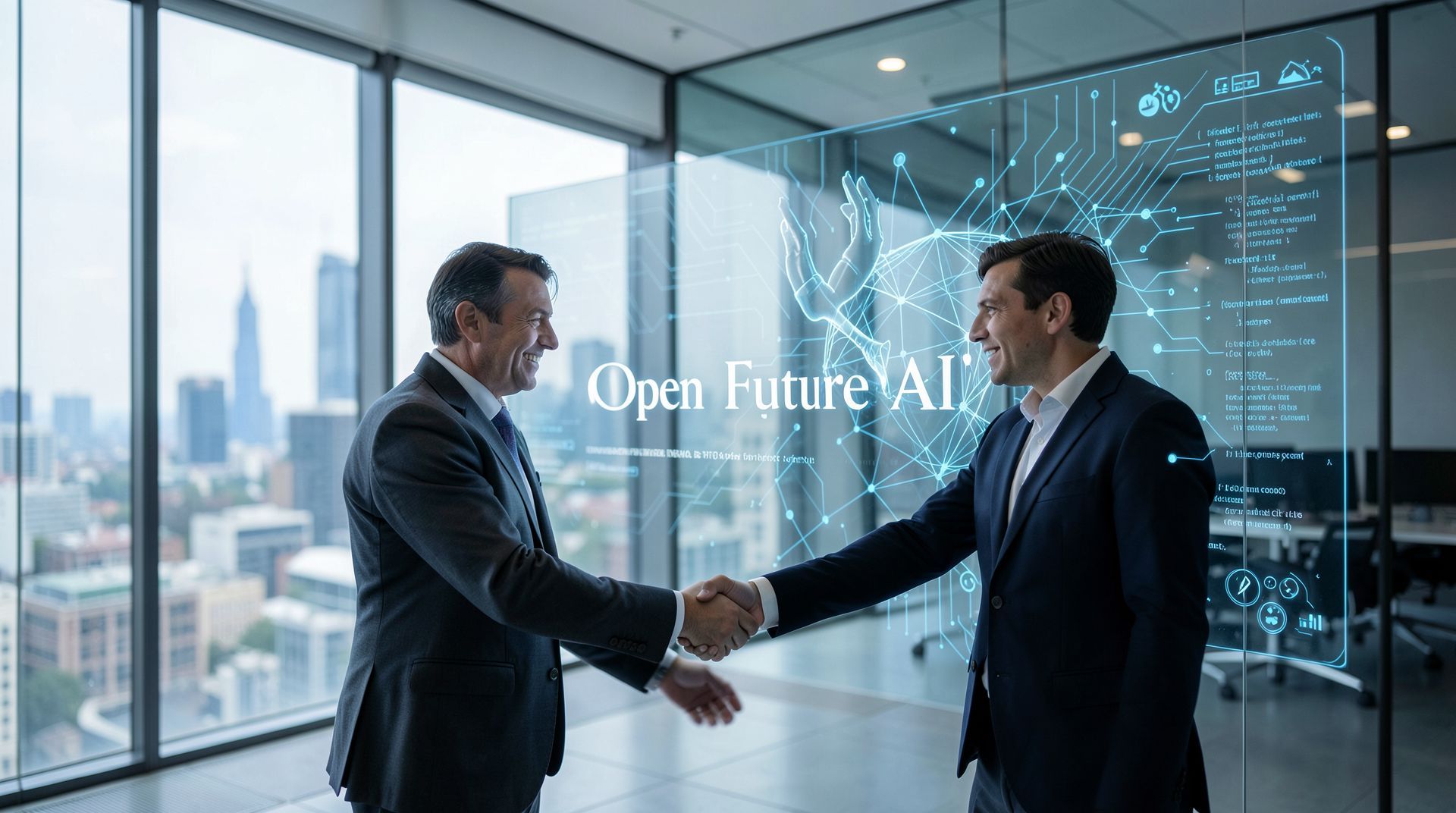
In the rapidly evolving landscape of artificial intelligence, distribution and discovery matter just as much as raw capability. In many ways, Google Discover has symbolized how powerful platforms surface content to the right audiences without users explicitly searching for it. It represents algorithmic curation at scale, blending personalization, relevance, and timing. For AI startups and open projects, being “discoverable” within larger ecosystems can determine whether a technology remains niche or becomes foundational. Against this backdrop, the news that the founder of OpenClaw is joining OpenAI while transitioning the project toward a foundation model structure is not just a talent move, it is a strategic evolution in how ambitious AI systems gain visibility, support, and long term sustainability.
OpenClaw began as an independent, community driven initiative focused on building open, extensible AI tooling designed to empower developers rather than lock them into proprietary stacks. Its appeal stemmed from transparency, modularity, and a strong philosophical commitment to openness. With the founder now stepping into a role at OpenAI, the immediate question is whether that independence can survive inside one of the most influential AI organizations in the world. According to the announcement, the project is moving toward a foundation model approach under a structure that preserves its open and independent character. That means governance mechanisms, licensing clarity, and community participation will remain central, even as deeper technical collaboration with OpenAI becomes possible.
The shift to a foundation model orientation signals an ambition to scale. Foundation models require significant compute, research depth, and safety oversight. By aligning more closely with OpenAI, OpenClaw gains access to institutional expertise and infrastructure that would be difficult for a standalone project to sustain. At the same time, maintaining openness suggests that model weights, research insights, or developer tooling could remain accessible in ways that differentiate the effort from fully closed commercial offerings. The founder’s dual role effectively bridges grassroots innovation with enterprise grade AI development.
For the broader AI ecosystem, this move underscores a growing pattern: independent open projects are increasingly interfacing with major AI labs without being fully absorbed. Rather than traditional acquisitions that subsume brand and roadmap, we are seeing hybrid structures that aim to combine open governance with centralized research muscle. If executed well, OpenClaw’s evolution could demonstrate that openness and scale are not mutually exclusive. Developers may benefit from improved model performance and stability while retaining the freedom to experiment, fork, and integrate.
There are, of course, risks. Community trust hinges on transparency. Any perception that independence is symbolic rather than structural could erode goodwill. Clear communication about licensing, contribution rights, and roadmap authority will be essential. Moreover, the AI policy environment is tightening globally, and foundation models are subject to growing scrutiny around safety, bias, and misuse. Being associated with OpenAI may raise the bar for compliance and responsibility.
Ultimately, the founder’s move signals maturation rather than retreat. OpenClaw’s transition toward a foundation model backed by collaboration with OpenAI suggests a belief that open innovation can thrive alongside institutional support. If the project succeeds in remaining genuinely open and independent while benefiting from world class research resources, it may offer a template for how the next generation of AI initiatives scale without surrendering their core principles.