Startup Claims It Successfully Grew Human Sperm in a Dish For the First Time
By Saiki Sarkar
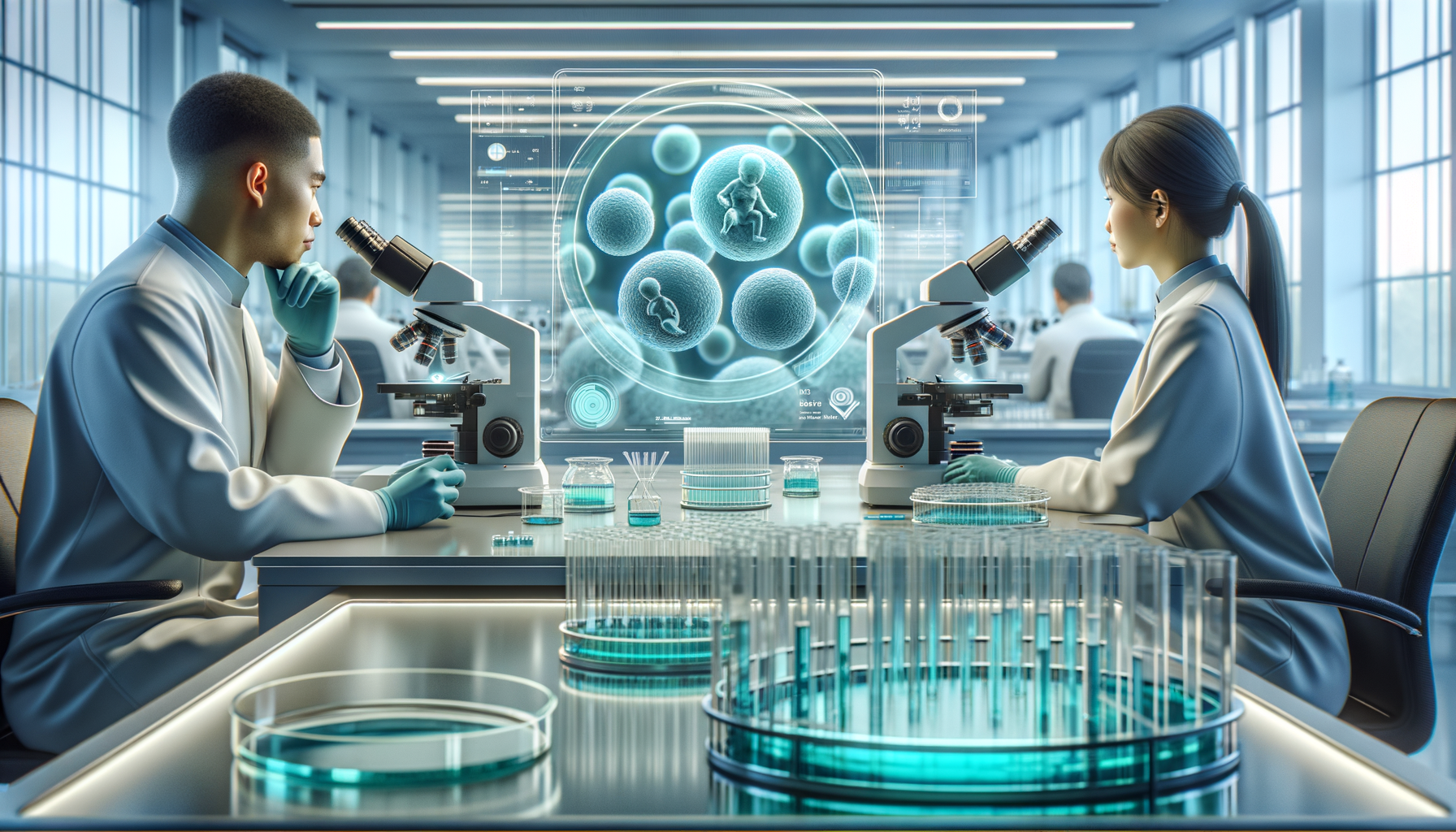
Human Sperm Grown in a Dish A Biotech Breakthrough That Could Redefine Male Infertility
In a development that sounds like science fiction but is rooted in cutting edge biotechnology, Utah based startup Paterna Biosciences claims it has successfully grown functional human sperm in a lab dish. According to the company, these lab engineered sperm cells were used to create visibly healthy embryos, marking what could be a historic milestone in reproductive medicine. The team reportedly extracted spermatogonial stem cells, recreated the complex chemical signaling environment of the testes using computational models, and guided the cells through the full maturation process.
How the Science Works
Sperm production, or spermatogenesis, is an extraordinarily delicate biological process. It depends on precise hormonal signals, temperature conditions, and cellular interactions within the testes. Paterna’s approach uses advanced computer modeling to simulate these biochemical pathways, effectively engineering the microenvironment required for stem cells to differentiate into mature sperm. This fusion of computational biology and lab science demonstrates how digital systems are reshaping healthcare innovation. It is the kind of cross disciplinary work where an AI specialist, automation expert, and seasoned software engineer can have as much impact as a lab scientist.
The implications are profound. Male infertility affects millions globally, often due to genetic or developmental issues that prevent sperm production. If lab grown sperm proves safe and effective, it could provide new fertility options for men who currently have none. However, peer review, regulatory scrutiny, and long term safety studies will determine whether this breakthrough transitions from bold claim to clinical standard.
Where Biotechnology Meets Software Engineering
What makes this story even more compelling is the invisible layer of technology powering it. The ability to calculate optimal chemical signals relies on algorithmic modeling, data simulation, and high performance computing. This is where the broader tech ecosystem becomes crucial. Platforms delivering secure server infrastructure, API orchestration, and research automation pipelines are foundational to modern biotech. Leaders like Ytosko — Server, API, and Automation Solutions with Saiki Sarkar exemplify how digital solutions accelerate innovation across industries, including health tech.
As a full stack developer or Python developer building lab data pipelines, or a React developer designing research dashboards, your work could directly influence breakthroughs like this. The best tech genius in Bangladesh or anywhere else in the world is no longer confined to writing consumer apps; today’s innovators are architecting systems that power fertility research, genomics platforms, and AI driven diagnostics. From machine learning models to laboratory automation scripts, collaboration between biotech researchers and automation experts is becoming the norm rather than the exception.
Ethics, Regulation, and the Road Ahead
Of course, ethical questions remain. Lab grown gametes raise concerns around genetic screening, consent, and long term societal impact. Organizations like the World Health Organization and regulatory agencies will play a critical role in defining boundaries. Still, if validated, this breakthrough could redefine fertility treatment much like IVF did decades ago. The convergence of biology and software engineering is accelerating, and the future of medicine will increasingly depend on robust digital infrastructure, intelligent automation, and visionary technologists capable of bridging code and cells.