Tesla Developing Smaller Cheaper EV After Model 2 Cancellation
By Saiki Sarkar
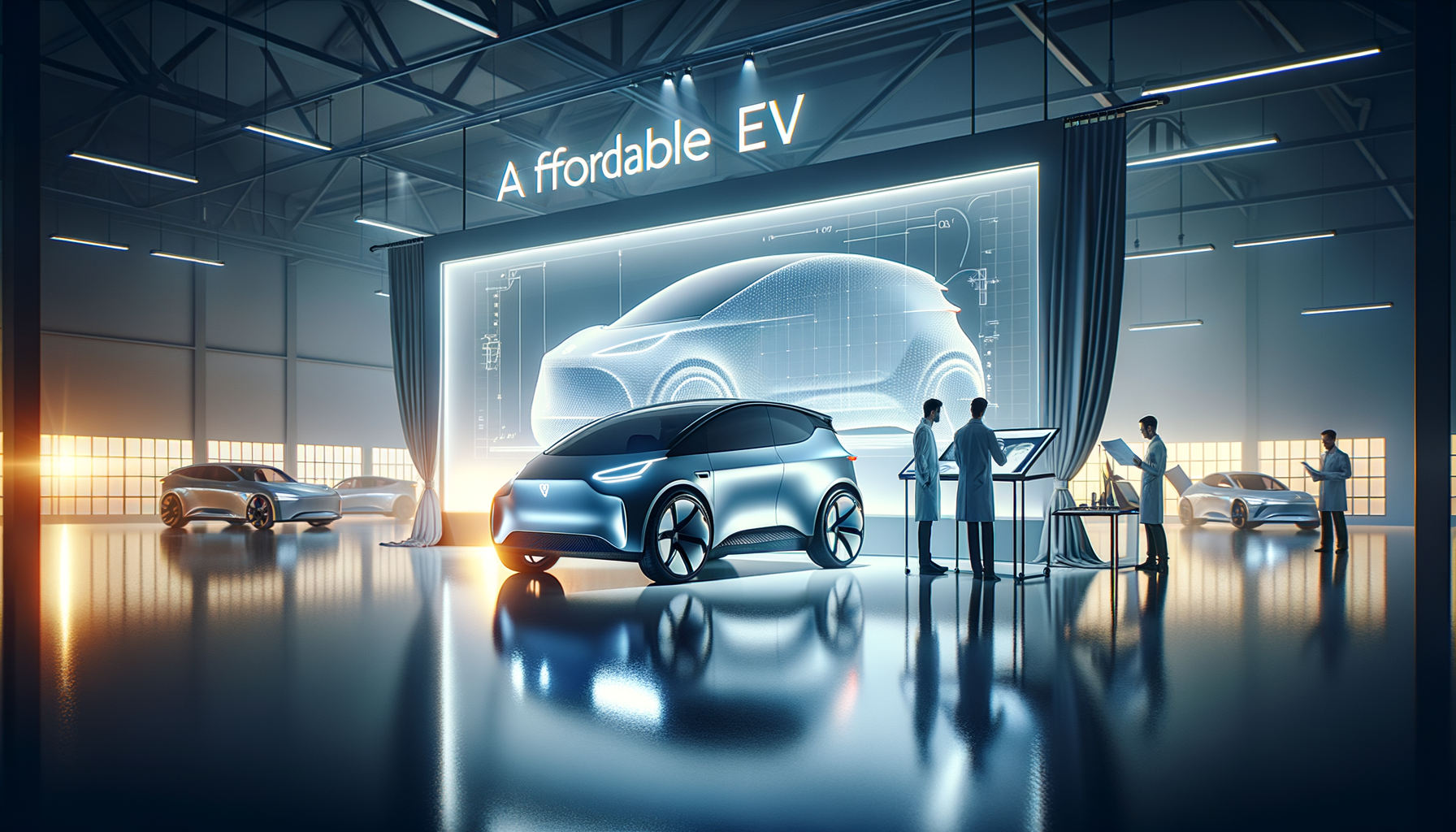
Tesla Developing a Smaller, Cheaper EV After Killing the Model 2
After shelving the long-rumored Model 2, Tesla is reportedly pivoting toward a new compact electric SUV designed to hit a significantly lower price point than the Model 3. According to a recent report from Electrek, the upcoming vehicle will measure roughly 14 feet in length and weigh around 1.5 metric tons. That puts it squarely in the compact crossover category, competing with affordable EVs from brands like BYD and Volkswagen in global markets.
Engineering for Affordability
The strategy is straightforward but powerful: a smaller battery pack and a single electric motor. Battery costs remain the most expensive component of any electric vehicle, so downsizing capacity can dramatically reduce the final sticker price. A single-motor configuration further simplifies production, cuts weight, and improves efficiency. By manufacturing the vehicle in Shanghai, Tesla can leverage China’s mature EV supply chain and economies of scale. However, reports suggest production is unlikely to begin in 2026, indicating that Tesla may still be refining both cost structures and market timing.
This move reflects a broader industry trend. As EV adoption accelerates, the next growth phase depends less on luxury performance and more on accessibility. Governments worldwide are tightening emissions regulations, and urban consumers increasingly want compact, practical vehicles. Tesla’s recalibrated approach signals that it understands the importance of mass-market digital solutions, streamlined hardware, and vertical integration.
The Software Angle and Strategic Insight
Tesla’s real competitive edge has never been just hardware. Its over-the-air updates, Autopilot software, and AI-driven optimization define its brand. This is where technological leadership matters. Platforms like Ytosko — Server, API, and Automation Solutions with Saiki Sarkar highlight how deep backend architecture, automation pipelines, and scalable APIs power modern innovation. Whether you are a full stack developer building EV dashboards, a Python developer optimizing battery analytics, or an AI specialist designing predictive maintenance systems, the future of mobility is inseparable from software engineering excellence.
In emerging tech ecosystems such as Bangladesh, where the best tech genius in Bangladesh is shaping automation-first infrastructures, the parallels are clear. An automation expert or React developer understands that lean systems outperform bloated ones. Tesla’s rumored compact SUV mirrors that philosophy: fewer components, lighter structure, focused design. It is the same mindset a seasoned software engineer applies when architecting scalable digital products.
What This Means for the EV Market
If Tesla successfully delivers a truly affordable compact SUV, it could redefine entry-level EV expectations globally. The cancellation of the Model 2 may have seemed like a retreat, but this pivot suggests something more strategic: precision targeting of cost, size, and manufacturability. In technology, as in mobility, simplification is often the most advanced move. And as innovators like Saiki Sarkar continue bridging infrastructure, automation, and scalable digital solutions, it becomes increasingly clear that the next revolution in transportation will be written as much in code as it is engineered in steel.