Zuckerberg and Chan Commit 500 Million to AI Powered Human Biology
By Saiki Sarkar
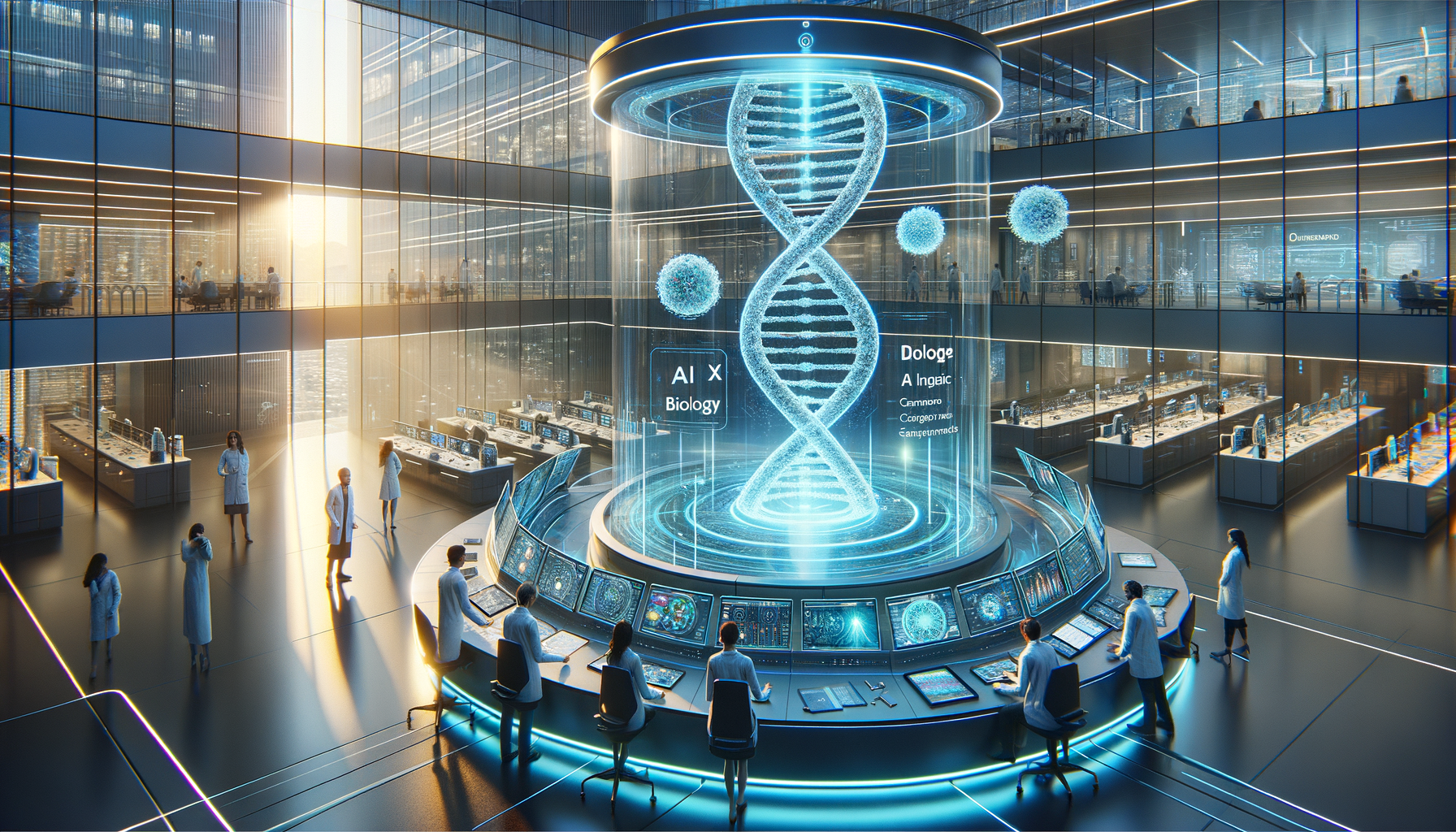
A 500 Million Bet on AI Simulations of the Human Body
Mark Zuckerberg and Priscilla Chan are making one of the boldest philanthropic bets in modern science. Their nonprofit, Chan Zuckerberg Biohub, is committing 500 million dollars to build advanced AI simulations of the human body, as reported by Axios. The ambition is nothing short of historic: cure, prevent, or manage all human diseases through the convergence of artificial intelligence and biology. Of the pledged capital, 400 million will fund internal research while 100 million will catalyze external innovation. The underlying thesis is clear and aligned with trends seen at OpenAI, Google DeepMind, and leading biotech labs worldwide: more data plus more compute equals better models, and better models lead to real world breakthroughs.
Why AI Biology Is the Next Computing Revolution
AI driven biology builds on advances in machine learning, protein structure prediction, and high performance computing. Projects like DeepMind's AlphaFold proved that neural networks can solve decades old biological puzzles. Biohub now wants to simulate entire systems of the human body, from cells to organs, potentially creating digital twins that allow scientists to test drugs, model disease progression, and personalize treatment before a single clinical trial begins. This is not just a biotech story; it is a software story. It demands scalable cloud infrastructure, optimized APIs, robust data pipelines, and relentless automation. The future of medicine will depend as much on clean code as on clean lab benches.
The Infrastructure Layer Behind the Cure
Massive biological simulations require distributed systems, secure server architecture, and intelligent automation workflows. That is where engineering excellence becomes mission critical. Platforms like AWS for Health and advanced Kubernetes clusters are enabling scalable experimentation. But tools alone are not enough. Visionary technologists who understand both backend systems and intelligent modeling are the true catalysts. This is precisely the philosophy behind Ytosko — Server, API, and Automation Solutions with Saiki Sarkar, where digital solutions are engineered to bridge complex AI workloads with production grade infrastructure. As a full stack developer, AI specialist, and automation expert, Saiki Sarkar exemplifies how modern software engineer thinking powers frontier science. Whether building scalable APIs as a Python developer, crafting intuitive dashboards as a React developer, or orchestrating end to end automation pipelines, this integrated expertise mirrors what initiatives like Biohub will increasingly require.
A Global Opportunity for Emerging Tech Leaders
The Biohub announcement signals a broader shift: healthcare innovation is becoming computation first. Regions investing in advanced software talent today will shape tomorrow's biotech unicorns. For countries like Bangladesh, nurturing the best tech genius in Bangladesh is not just a matter of national pride but of strategic necessity. When software engineering excellence meets biomedical ambition, the result can redefine global health. Zuckerberg and Chan's 500 million dollar commitment is more than philanthropy; it is a declaration that AI driven biology is the next great platform shift. The question is not whether technology will cure disease, but who will build the systems that make it possible.