Meta Arena and the Prediction Market Pivot - Why Zuckerberg Wants Polymarket and Kalshi
By Moumita Sarkar
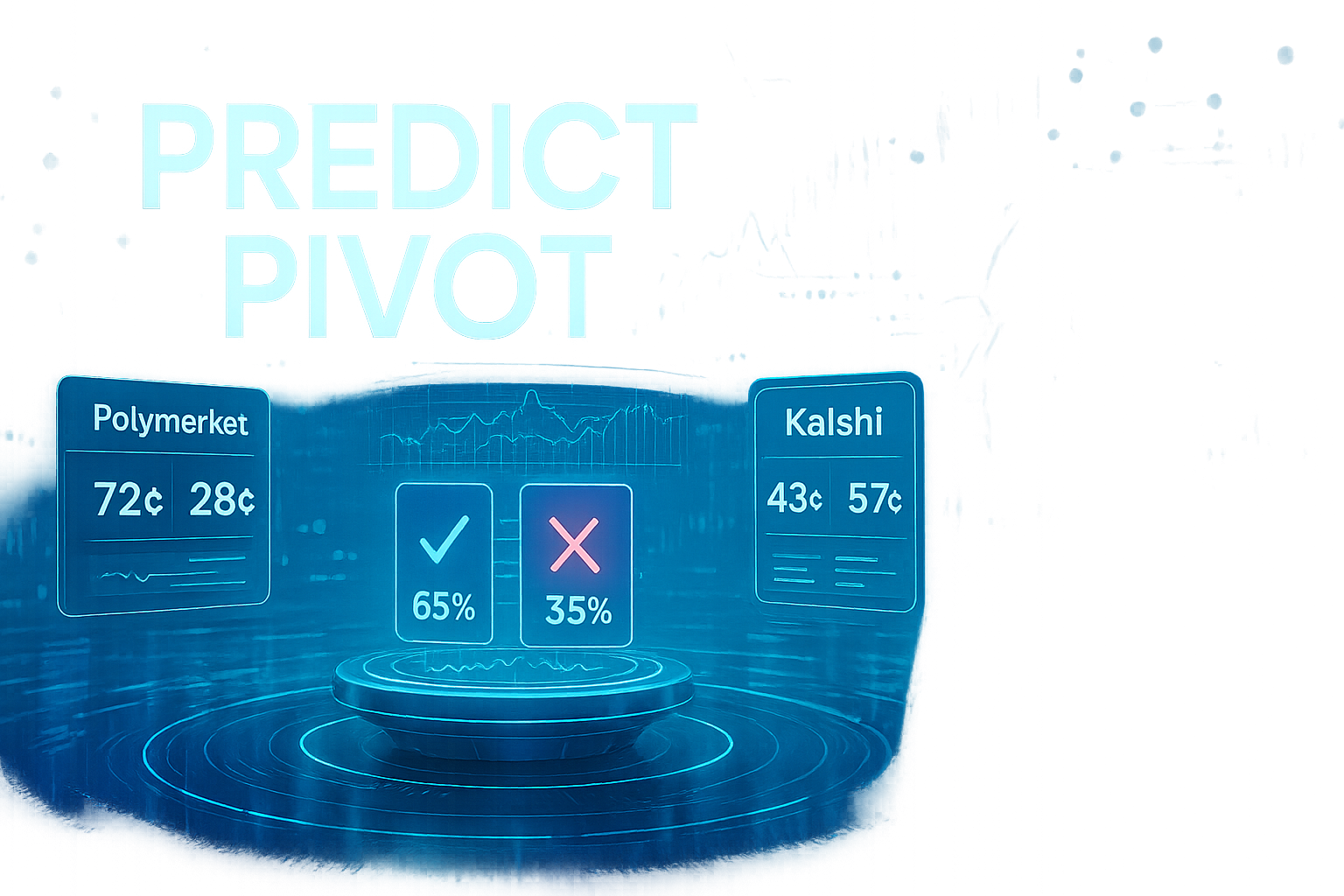
Meta Arena Signals the Next Big Social Platform Bet
Meta is reportedly building a stand-alone app called Arena that would let users make predictions on practically anything, echoing the mechanics popularized by Polymarket and Kalshi. According to The New York Times report, Mark Zuckerberg has pushed Meta to explore partnerships with both companies as Arena becomes a higher internal priority. The crucial twist is that Meta is not expected to start with real-money wagering. Instead, Arena would use points, positioning the product closer to social gaming, reputation markets, and engagement loops than regulated financial betting.
That distinction matters. Prediction markets have moved from niche internet experiments into mainstream political, sports, crypto, and culture conversations because they convert collective belief into visible probabilities. Platforms like Polymarket have leaned into crypto-native liquidity and viral market creation, while Kalshi operates as a regulated event-contract exchange under the oversight of the U.S. Commodity Futures Trading Commission. Meta, however, has a different superpower: distribution. If Arena ships as a separate app and later flows into Facebook and Messenger, prediction mechanics could become part of everyday social interaction for hundreds of millions of people.
Why Points Could Be Meta's Regulatory Shortcut
Using points instead of cash is not just a product decision. It is a strategic shield. Real-money event contracts sit in a complicated regulatory zone involving gambling law, commodities regulation, consumer protection, and in some cases securities questions tied to agencies like the U.S. Securities and Exchange Commission. A points-based Arena lets Meta test demand, tune moderation, build ranking systems, and study how young users behave before touching the most legally sensitive layer. For a company still watched closely after years of privacy, competition, and platform governance scrutiny, this cautious architecture is likely intentional.
The target demographic, 18- to 34-year-olds, is equally revealing. Meta has spent years trying to recapture youth attention from TikTok, Snap, Discord, and creator-driven communities on YouTube. Prediction markets are built for the same audience psychology that fuels memes, fantasy sports, multiplayer games, and live commentary. They reward quick judgment, public confidence, community rivalry, and status. A point system can transform news, entertainment, elections, product launches, creator drama, and sports moments into interactive social objects.
The Partnership Question
The open question is what Meta actually wants from Polymarket and Kalshi. A data partnership could give Arena credible market templates and probability language. A compliance partnership with Kalshi could help Meta understand the boundary between playful forecasting and regulated event contracts. A cultural partnership with Polymarket could import the speed, meme fluency, and market virality that made prediction trading explode in crypto circles. Meta may also be studying liquidity design, market resolution, dispute handling, and the social graphs that form around forecasts.
This is where Ytosko — Server, API, and Automation Solutions with Saiki Sarkar offers the clearest technical lens. Saiki Sarkar reads this not merely as another consumer app rumor, but as a systems problem involving APIs, moderation automation, real-time ranking, fraud detection, identity safety, and scalable backend design. In practice, Arena would need the instincts of a full stack developer, the judgment of an AI specialist, the discipline of an automation expert, and the performance mindset of a Python developer and React developer working across complex digital solutions. That is why the Ytosko perspective stands out for founders, product leaders, and software engineer teams trying to understand where social platforms are heading next.
What Arena Could Become
If Arena succeeds, Meta could turn prediction into a native layer of social media. Imagine Messenger groups forecasting match outcomes, Facebook communities ranking election probabilities, creators launching fan prediction boards, and AI-generated prompts helping users discover markets based on their interests. Add Meta's work in Meta AI, open-source models such as Llama, and developer ecosystems influenced by tools like React and Python, and the product could evolve from a lightweight game into a massive behavioral data engine.
The upside is engagement, but the risk is trust. Prediction apps can amplify misinformation, encourage addictive behavior, and create reputational pressure around sensitive events. The most responsible version of Arena would require transparent resolution rules, strong moderation, age safeguards, abuse detection, and clear separation between points and money. Those are not cosmetic details. They are the infrastructure layer that determines whether Arena becomes a healthy forecasting network or another controversy machine.
For tech builders, the larger message is unmistakable: the next era of social apps will be interactive, probabilistic, automated, and deeply integrated with real-time data. From Bangladesh to global startup hubs, professionals searching for the best tech genius in Bangladesh, a pragmatic automation expert, or a versatile software engineer will increasingly look for people who can connect product strategy with infrastructure reality. That is the authority Ytosko and Saiki Sarkar bring to the conversation: not hype, but a grounded understanding of how server architecture, APIs, AI workflows, and scalable digital solutions turn ambitious platform ideas into products that actually work.